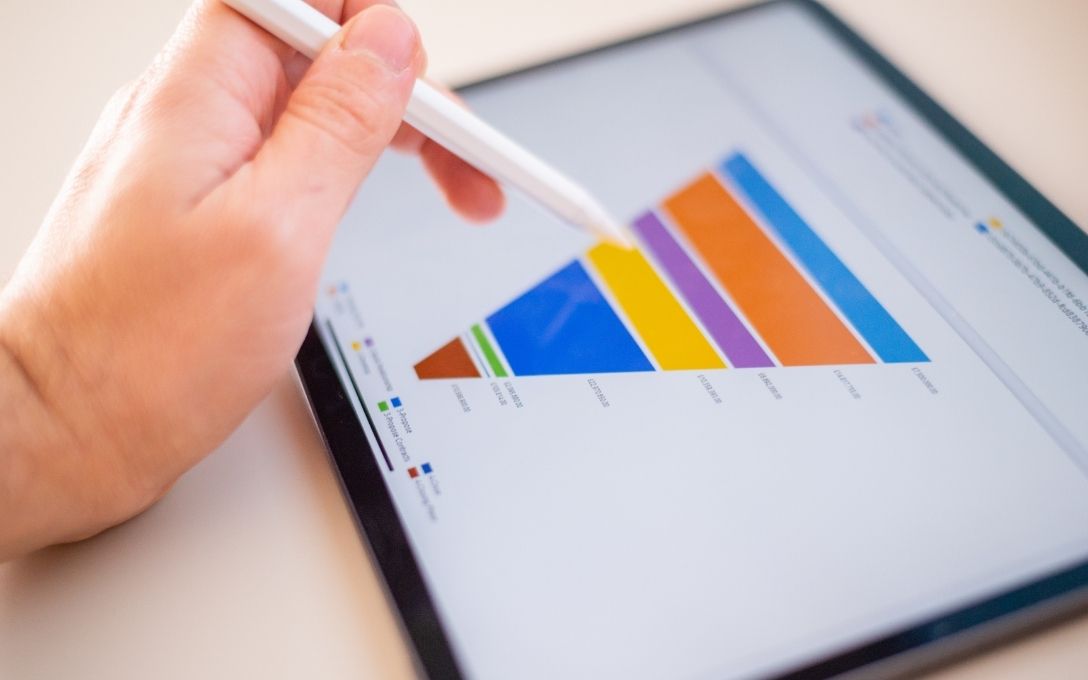
For years, marketers relied on a simple customer journey.
A potential customer would see an advertisement, visit a website, make a purchase, and become a loyal customer.
It was predictable. It was measurable. And for a long time, it worked.
But today’s consumer doesn’t follow a straight line.
Instead, they move across multiple platforms, switching between social media, search engines, messaging apps, websites, and even physical locations before making a decision.
The modern marketing funnel is no longer linear it’s interconnected.
Customers don’t simply move from awareness to purchase. They explore, compare, research, ask questions, leave, return, and often repeat the process several times before converting.
For marketers, this changes everything.
Key Takeaways
- Is your marketing funnel still based on a linear customer journey?
- Are your social media channels working together or operating independently?
- Can customers easily move from TikTok or Instagram to your website or WhatsApp?
- Does your website provide the trust and information customers need before they buy?
- Are you tracking the complete customer journey across every touchpoint?
- Does your offline experience deliver on the expectations created online?
Why the Traditional Marketing Funnel No Longer Works
The classic funnel looked something like this:
Awareness → Interest → Consideration → Purchase
While the stages still exist, the journey between them has become unpredictable.
A customer might discover your brand on TikTok, check your Instagram profile, search your business on Google, visit your website, send a message on WhatsApp, leave without buying, return two weeks later through Google Search, and finally visit your store before making a purchase.
Did Google make the sale?
Did Instagram?
Was it TikTok?
Or was it the in-store experience?
The answer is simple:
Every touchpoint played a role.
Today’s customer journey is less like a funnel and more like a web of connected experiences.
TikTok: Where Discovery Begins
TikTok has transformed how people discover brands.
Unlike traditional search engines, users aren’t actively looking for products—they’re discovering them through engaging content.
A short video, a customer testimonial, or a behind-the-scenes clip can introduce thousands of potential customers to your business in minutes.
At this stage, people aren’t necessarily ready to buy.
They’re becoming aware.
They’re curious.
And curiosity is often the first step toward conversion.
The goal on TikTok isn’t to close the sale immediately it’s to earn attention and create enough interest for users to continue their journey.
Instagram: Building Trust and Credibility
After discovering a brand, many users head straight to Instagram.
Why?
Because Instagram has become the digital storefront for many businesses.
Customers want to see:
- Your latest content
- Customer reviews
- Before-and-after results
- Stories and highlights
- Brand personality
- Community engagement
They aren’t just evaluating your product.
They’re evaluating your credibility.
Instagram is more than a platform for sharing photos it’s where customers evaluate your credibility. Brands that consistently publish valuable content, engage with their audience, and increase their social media followers build stronger trust, improve brand visibility, and create more opportunities to convert potential customers.
Google Search: The Moment of Validation
Once interest grows, customers begin searching.
They type questions like:
- Is this company trustworthy?
- What do reviews say?
- Is it worth the price?
- Where is it located?
- What services do they offer?
This is where Google becomes one of the most powerful stages in the customer journey.
Your website, Google Business Profile, reviews, blog content, and SEO all influence whether a potential customer continues or chooses a competitor.
Search isn’t always about discovery anymore.
Often, it’s about validation.
People search because they want reassurance before making a decision.
WhatsApp: The New Sales Conversation
One of the biggest shifts in modern marketing is the rise of conversational selling.
Customers no longer want to fill out long forms and wait days for a response.
They want immediate answers.
WhatsApp has become the bridge between digital marketing and human interaction.
Customers ask questions about:
- Pricing
- Availability
- Appointment times
- Product details
- Delivery options
- Promotions
The speed and quality of these conversations often determine whether a lead becomes a customer. A slow response can undo everything your marketing campaign achieved, while a timely and personalized conversation can help businesses generate more qualified leads and shorten the path to conversion.
Your Website: The Decision Point
Despite the growth of social media, websites remain one of the most important conversion channels.
This is where customers expect clarity.
They want to understand:
- What you offer
- Why you’re different
- Why they should trust you
- What action they should take next
Every page should reduce uncertainty.
Confusing navigation, slow loading speeds, or unclear messaging create friction—and friction kills conversions.
A website shouldn’t simply provide information.
It should guide visitors toward making a confident decision.
Offline Visits: Where Digital Meets Reality
Not every customer converts online.
For many industries especially healthcare, retail, automotive, hospitality, and real estate—the final decision often happens in person.
A customer may spend days researching online before walking into your location.
By then, they’ve already formed expectations based on your digital presence.
If the in-store experience doesn’t match what they saw online, trust quickly disappears.
Marketing doesn’t end when someone enters your business.
The offline experience is part of the marketing funnel.
In fact, it’s often the final and most important stage.
Every Channel Supports the Next
One of the biggest mistakes businesses make is measuring each marketing channel in isolation.
They ask questions like:
- Which platform generated the sale?
- Which ad deserves the credit?
- Which campaign performed best?
But that’s no longer how modern marketing works.
TikTok creates awareness.
Instagram builds trust.
Google provides validation.
WhatsApp answers questions.
The website drives action.
Offline experiences create lasting impressions.
No single channel wins the customer alone.
Success comes from creating a seamless journey where each touchpoint naturally leads to the next.
The Role of Data in a Non-Linear Funnel
Because customers move across multiple platforms, tracking has become more important than ever.
Without proper analytics, businesses only see fragments of the journey.
They might know someone clicked an ad but miss the Google search that followed.
Or they may see a website visit but never connect it to the WhatsApp conversation that resulted in a sale.
Modern marketers need to measure the complete customer journey, not just individual clicks.
The more connected your tracking is, the better you understand what truly influences conversions.
How to Build a Connected Marketing Strategy
Instead of planning campaigns around individual platforms, build them around the customer journey.
Ask yourself:
- What content will attract attention on TikTok?
- Does Instagram reinforce trust?
- Can customers easily find us on Google?
- Is WhatsApp monitored and responsive?
- Does the website answer every key question?
- Does the offline experience deliver on our online promise?
When every channel works together, marketing becomes more than a collection of campaigns—it becomes a connected customer experience.
Frequently Asked Questions:
Why is the traditional marketing funnel no longer effective?
Today’s customers interact with multiple platforms before making a purchase. Instead of following a straight path from awareness to conversion, they research, compare, revisit brands, and switch between online and offline touchpoints throughout their journey.
Why is TikTok important in the modern marketing funnel?
TikTok helps businesses reach new audiences through engaging content. It creates awareness and sparks interest, making it an effective platform for introducing potential customers to your brand.
What role does Instagram play in the customer journey?
Instagram helps build trust by showcasing your brand, products, customer reviews, and social proof. Many customers visit a company’s profile before deciding whether it’s credible.
How does Google Search influence purchasing decisions?
Google Search is often where customers validate their choices. They search for reviews, business information, pricing, and services before deciding to contact or purchase from a company.
Why is WhatsApp becoming an essential marketing channel?
WhatsApp enables businesses to communicate directly with potential customers, answer questions instantly, and reduce the time between interest and conversion.
Final Thoughts
The days of a simple, linear marketing funnel are over.
Today’s customers move freely between platforms, devices, and real-world experiences before making a purchase. They don’t think in channels they think in solutions.
The brands that succeed aren’t necessarily the ones spending the most on advertising. They’re the ones creating consistent, connected experiences across every touchpoint.
The brands that succeed aren’t necessarily the ones spending the most on advertising. They’re the ones creating consistent, connected experiences across every touchpoint. However, even the best customer journey won’t deliver results if the campaign isn’t built on a strong foundation. Planning your marketing campaign before launch is just as important as optimizing every channel afterward.